
Structured Literacy for Older Struggling Readers: Building Skills Without the Stigma
Reading challenges do not disappear when students grow older. Many middle and high school students continue to struggle with decoding unfamiliar words, recognizing spelling patterns, understanding vocabulary, and reading accurately.
As academic expectations increase, these students must navigate increasingly complex texts while still needing targeted support with foundational reading skills.
Older struggling readers need explicit instruction, purposeful practice, and learning experiences that respect their age while addressing their individual needs.
Structured literacy provides an approach to strengthening essential reading skills while maintaining high academic expectations.
Why Older Students Still Need Foundational Reading Support
Reading difficulties can become harder to recognize as students advance through school. A middle school student may understand classroom discussions but struggle to read assigned texts independently. A high school student may take considerably longer to complete reading-intensive assignments.
These challenges do not necessarily reflect a lack of intelligence, motivation, or effort. Students may have gaps in phonics, decoding, syllable patterns, morphology, or automatic word recognition.
When identifying words requires considerable mental effort, fewer cognitive resources may be available for comprehension and higher-level thinking.
Effective reading intervention identifies and addresses these underlying skill needs rather than focusing exclusively on grade-level assignments.
What Is Structured Literacy?
Structured literacy is an approach to reading and writing instruction that emphasizes explicit, systematic, and cumulative teaching.
Rather than expecting students to discover language patterns independently, educators directly explain concepts, model strategies, guide practice, and provide opportunities for independent application.
Depending on a learner’s assessed needs, instruction may address:
- Phonemic Awareness: Recognizing and manipulating individual sounds in spoken words.
- Phonics and Decoding: Connecting sounds to letters and using spelling patterns to read unfamiliar words.
- Word Reading Accuracy: Developing the ability to decode words accurately by applying previously taught sound-symbol relationships and spelling patterns.
- Vocabulary: Understanding word meanings and relationships.
- Morphology: Examining prefixes, suffixes, bases, and other meaningful word parts.
- Comprehension: Constructing meaning, making connections, and interpreting text.
These areas work together to support reading development. Instruction should be responsive to assessment results, with practice aligned to each student’s instructional needs.
Why Age-Respectful Literacy Instruction Matters
One frequently overlooked challenge in reading intervention is helping older students feel comfortable receiving support.
Materials designed primarily for young children may make adolescents feel embarrassed or singled out, even when the instructional content is appropriate for their skill level.
Age-respectful instruction addresses this concern by maintaining high academic expectations while providing materials that reflect students’ developmental needs.
Age-neutral and gender-neutral materials can also support a more inclusive learning environment by avoiding unnecessarily childish designs and gender stereotypes.
Educators can incorporate relevant vocabulary, appropriately challenging word patterns, and collaborative activities that reinforce essential reading skills without compromising students’ dignity.
Every learner deserves materials that respect their individuality while meeting their instructional needs.
Four Ways to Strengthen Reading Intervention
1. Identify the Specific Skill Gap
Before selecting an activity, determine what is making reading difficult.
Some students may need additional instruction in vowel patterns, while others may struggle with multisyllabic words, prefixes, suffixes, or vocabulary.
Diagnostic assessments, brief skill checks, and ongoing progress monitoring help educators identify appropriate starting points and adjust instruction as students develop.
2. Use Explicit Modeling and Guided Practice
Students benefit when teachers demonstrate how to approach unfamiliar words and recognize meaningful word parts.
For example, an educator might model how to identify familiar spelling patterns, divide a multisyllabic word into manageable parts, and blend those parts to read the word accurately.
Following explicit modeling, students practice with teacher guidance before applying the strategy more independently.
This gradual release of responsibility provides a clear process for learning and applying new skills.
3. Make Repeated Practice Meaningful
Students need repeated opportunities to revisit and apply reading skills over time. However, repetition does not have to mean completing the same worksheet repeatedly.
Word sorts, partner challenges, oral responses, card-based activities, and structured literacy games can provide varied opportunities to reinforce previously taught skills.
For example, students practicing morphology might identify a base word, add a prefix or suffix, explain how the meaning changes, and use the new word in a sentence.
The instructional objective remains consistent while the activity encourages active participation and thoughtful responses.
4. Build Confidence Through Feedback
Effective feedback reinforces accurate responses, identifies errors, and provides clear guidance for improvement.
Rather than simply marking an answer incorrect, an educator might model the relevant vowel pattern, guide the student through decoding, and provide another opportunity to respond accurately.
This approach uses errors as opportunities for explicit instruction and additional practice.
Consistent, specific feedback gives students opportunities to correct errors, monitor their responses, and apply strategies more independently.
How Structured Literacy Games Support Targeted Practice
Games and interactive activities aligned with structured literacy instruction can provide opportunities for students to reinforce previously taught skills while maintaining clear instructional goals.
When activities include clear routines, skill-specific prompts, and opportunities to explain responses, students can practice literacy skills while participating with peers.
Depending on the activity and instructional prompts, these activities can provide opportunities for students to:
- Apply decoding strategies to unfamiliar words.
- Recognize prefixes, suffixes, and other meaningful word parts.
- Explain their reasoning.
- Listen to peers and compare approaches.
- Practice self-monitoring and strategic thinking.
- Participate in collaborative learning.
Games should complement explicit teaching rather than replace it. Teachers remain responsible for modeling skills, providing corrective feedback, and monitoring student progress.
The instructional value comes from connecting engagement with a clear learning objective.
Bringing Structured Literacy Into Middle and High School Classrooms
Targeted literacy practice can be incorporated into intervention blocks, small-group instruction, literacy stations, and established classroom routines.
A practical instructional sequence might include:
- Review: Revisit a previously taught skill.
- Model: Demonstrate the target pattern or strategy.
- Guided Practice: Provide supported opportunities to respond.
- Application: Reinforce the skill through purposeful practice.
- Check: Record student responses and identify areas requiring additional instruction.
Teachers can use student performance to adjust pacing, revisit earlier concepts, and determine when additional support is necessary.
While brief activities can reinforce learning, students with significant reading difficulties may require sustained, intensive instruction. Supplemental practice should support, not replace, that intervention.
How Decodify Supports Meaningful Literacy Practice
Decodify™ is an educator-created supplemental structured literacy toolkit developed in the classroom to provide engaging, purposeful opportunities for students to practice and apply previously taught literacy skills.
Designed for use across Multi-Tiered Systems of Support (MTSS) Tiers 1, 2, and 3, Decodify provides opportunities for skill-aligned practice in general education classrooms, small-group instruction, and intervention settings. Decodify does not constitute intensive intervention or replace explicit, systematic instruction. Rather, it serves as a supplemental resource through which students can practice and apply previously taught literacy skills.
Decodify features 12 skill-based, leveled decks, each organized around specific literacy skills and patterns. Educators can select levels that align with students’ assessed instructional needs and skills they have already been taught, rather than selecting levels solely by grade or MTSS tier.
The toolkit provides opportunities for practice across five literacy domains: phonological awareness, spelling and word patterns, morphology and word structure, comprehension and meaning connections, and language development.
Designed to be age-neutral and gender-neutral, Decodify intentionally avoids overly childish imagery and gender-specific themes. This design reflects a commitment to providing literacy practice materials that respect learners across different ages, instructional levels, and backgrounds.
Through interactive gameplay and structured prompts, students have opportunities to decode words accurately, apply previously taught spelling patterns, explain their thinking, and participate in collaborative learning.
Decodify is designed to complement a school’s existing literacy curriculum, not replace explicit instruction. Educators select the appropriate level and activities based on students’ assessed needs and instructional goals.
Every Reader Deserves the Opportunity to Grow
Older struggling readers do not need lower expectations. They need instruction that identifies their learning needs, explicitly teaches essential skills, and provides meaningful opportunities to practice.
Combining systematic instruction, targeted practice, and age-respectful materials can support literacy development while preserving students’ dignity.
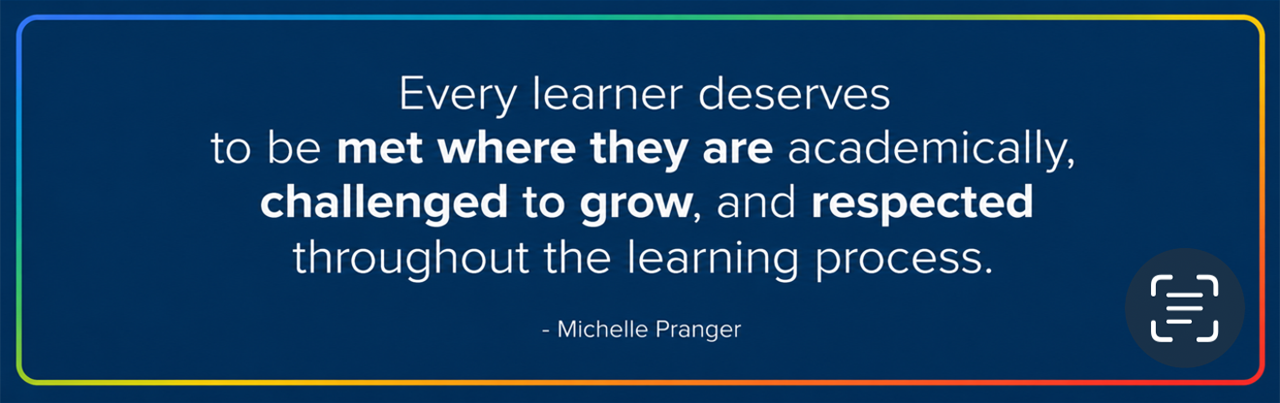
Every learner deserves to be met where they are academically, challenged to grow, and respected throughout the learning process.
Frequently Asked Questions
1. Can structured literacy help middle and high school students?
Yes. Structured literacy principles can be applied across age groups. Older students with persistent reading difficulties may benefit from explicit, systematic instruction targeting their assessed skill gaps.
2. Should older students still practice phonics?
Yes, when assessment indicates that phonics or decoding skills require additional instruction. Instruction should be matched to students’ needs rather than grade level alone.
3. Are structured literacy games appropriate for older struggling readers?
Yes. When aligned with instructional objectives, structured literacy games can provide meaningful opportunities to reinforce previously taught skills. They should supplement, not replace, explicit instruction.
4. Why are age-neutral and gender-neutral materials important?
Age-neutral and gender-neutral materials can help create inclusive learning environments by avoiding unnecessarily childish designs and gender stereotypes. These considerations are especially important when providing foundational literacy practice to older students.
5. Can Decodify be used across MTSS Tiers 1, 2, and 3?
Yes. Decodify is designed to provide supplemental, skill-aligned literacy practice across MTSS Tiers 1, 2, and 3. Educators select activities according to students’ instructional needs and previously taught skills. Decodify does not replace explicit instruction or constitute intensive intervention; it supplements the instruction and intervention provided by educators.
6. Can Decodify replace a structured literacy curriculum?
No. Decodify is a supplemental structured literacy toolkit designed to reinforce and apply previously taught skills alongside an established instructional program.
Featured Blogs

.svg)




.svg)
.svg)
Ready to Bring Structured Literacy to Life?
Empower your educators. Engage your students. Strengthen your literacy pathway.
.svg)
.svg)
DECODIFY™
